ROTARY VALVES
Metered feeding and pressure separation in pneumatic lines
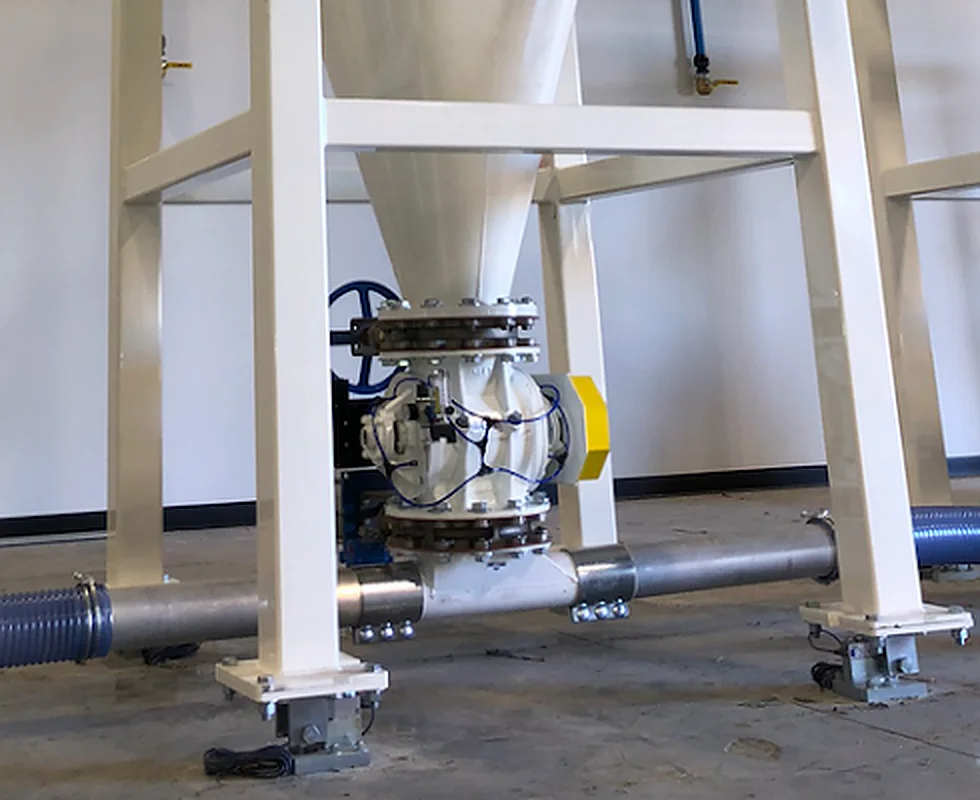
A rotary valve consists of a pocketed rotor turning inside a housing. Material from above fills the rotor pockets and is discharged at the bottom as the rotor turns. The narrow clearance between rotor and housing maintains the pressure difference between the top and bottom, so air does not escape into the silo or hopper while material is fed into the pneumatic line.
At OPTA Mühendislik we select rotary valves according to material, capacity and pressure difference. We use them under silos and filters, on big bag and bag stations and in dilute phase conveying systems.
Applications
Pneumatic line feeding
Feeds material into dilute phase lines.
Under filters and cyclones
Discharges captured dust without letting air through.
Dosing
Volumetric feeding adjusted by speed.
Explosion isolation
Suitable types prevent flame propagation.
Equipment and standards
Standard
- Carbon steel or stainless body
- Geared motor / drive
- Maintenance and inspection covers
- Mounting flanges
Optional
- Stainless housing and rotor
- Wear-resistant coating
- Rotor speed sensor
- Quick-release rotor
- Blow-through type
Standards
- Machinery Directive 2006/42/EC
- ATEX 2014/34/EU
- Food-grade materials (option)
More in Process equipment
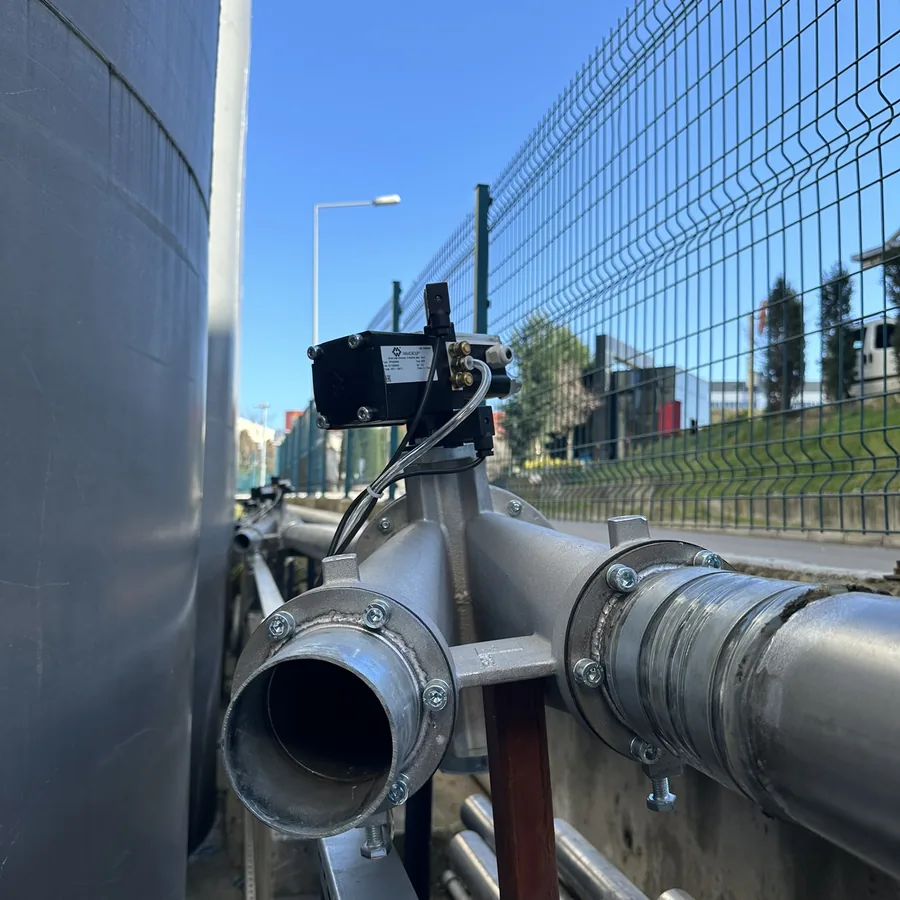 Diverter valvesValves that divert one line to several destinations.→
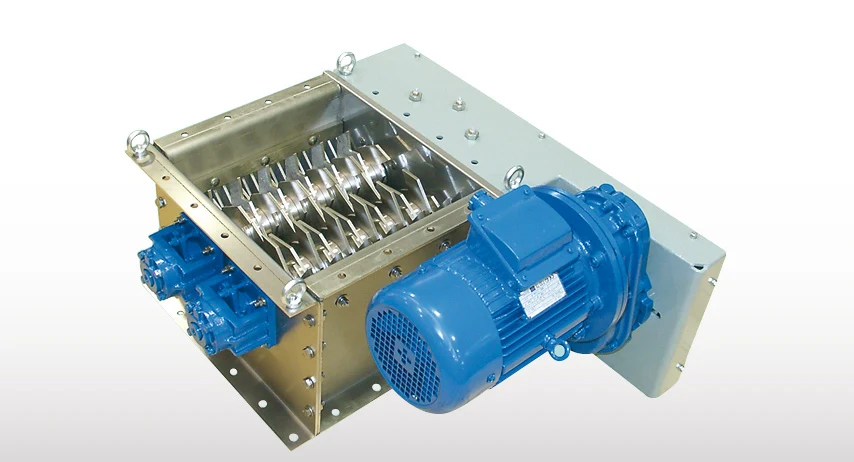 Lump breakerBreaks up lumps to regulate flow and dosing.→
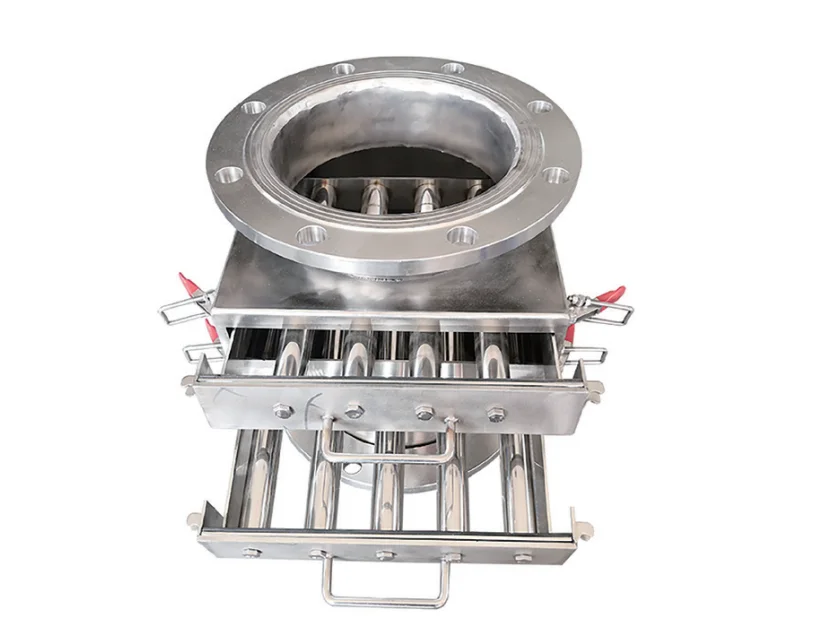 Metal separatorProtects product and machines from metal pieces.→All process equipmentEquipment / Machines→
Frequently asked questions
How is rotary valve capacity selected?
It is calculated from rotor volume, speed and fill ratio; the fill ratio is set according to the material's flow.
Can it be used with abrasive materials?
It can be used with hard coating and a suitable speed; for very abrasive materials dense phase is recommended.
How is air leakage prevented?
Leakage is minimised by the rotor–housing tolerance and rotor tip seals.
Let’s work together on rotary valves
Tell us about your raw material, capacity and site, and we will come back with a preliminary design and quotation.