BELT CONVEYOR FEEDING
Belt conveyor feeding for coarse, fragile and bagged products
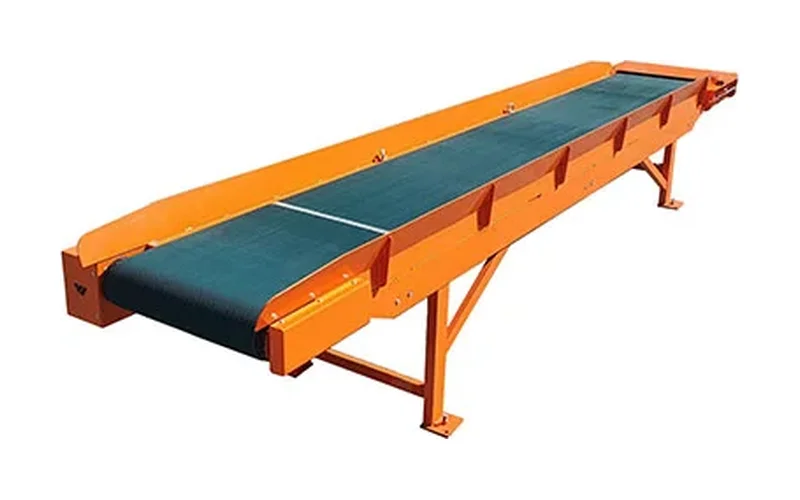
A belt conveyor carries material on a moving belt and applies the least mechanical stress to it. Besides coarse, fragile, non-sticky bulk materials, it is also used to transport bagged products and crates.
At OPTA Mühendislik we manufacture flat, inclined and sidewall belt conveyors, selecting belt width, speed and incline for your material. We integrate feed belts, collecting belts and weigh belt applications into your line.

Where is it used?
Crushing and recycling
Feeding crushers and grinders, transporting coarse pieces.
Bagged products
Carrying bags from the filling machine to the palletising area.
Bulk granules
Low-speed conveying of fragile granules.
Collecting belt
Collecting product arriving from several points.
How is the right belt chosen?
Belt width and speed are chosen for the required capacity; belt type for the material's temperature, oil content and abrasiveness. For inclined conveying, sidewall and cleated belts stop material slipping back.
- Capacity and material density
- Conveying distance and incline
- Belt type: PVC, PU, rubber
- Covered design for dust control
Equipment and standards
Standard
- Painted steel or stainless frame
- Geared motor
- Belt tensioning
- Emergency pull-cord
Optional
- Frequency inverter
- Sidewall / cleated belt
- Covered (dust-free) design
- Weigh belt
- Metal detector
Standards
- Machinery Directive 2006/42/EC
- EN 620 (continuous handling)
More in Raw material feeding lines
 Screw feedingMachine feeding with horizontal, inclined and mobile screws.→
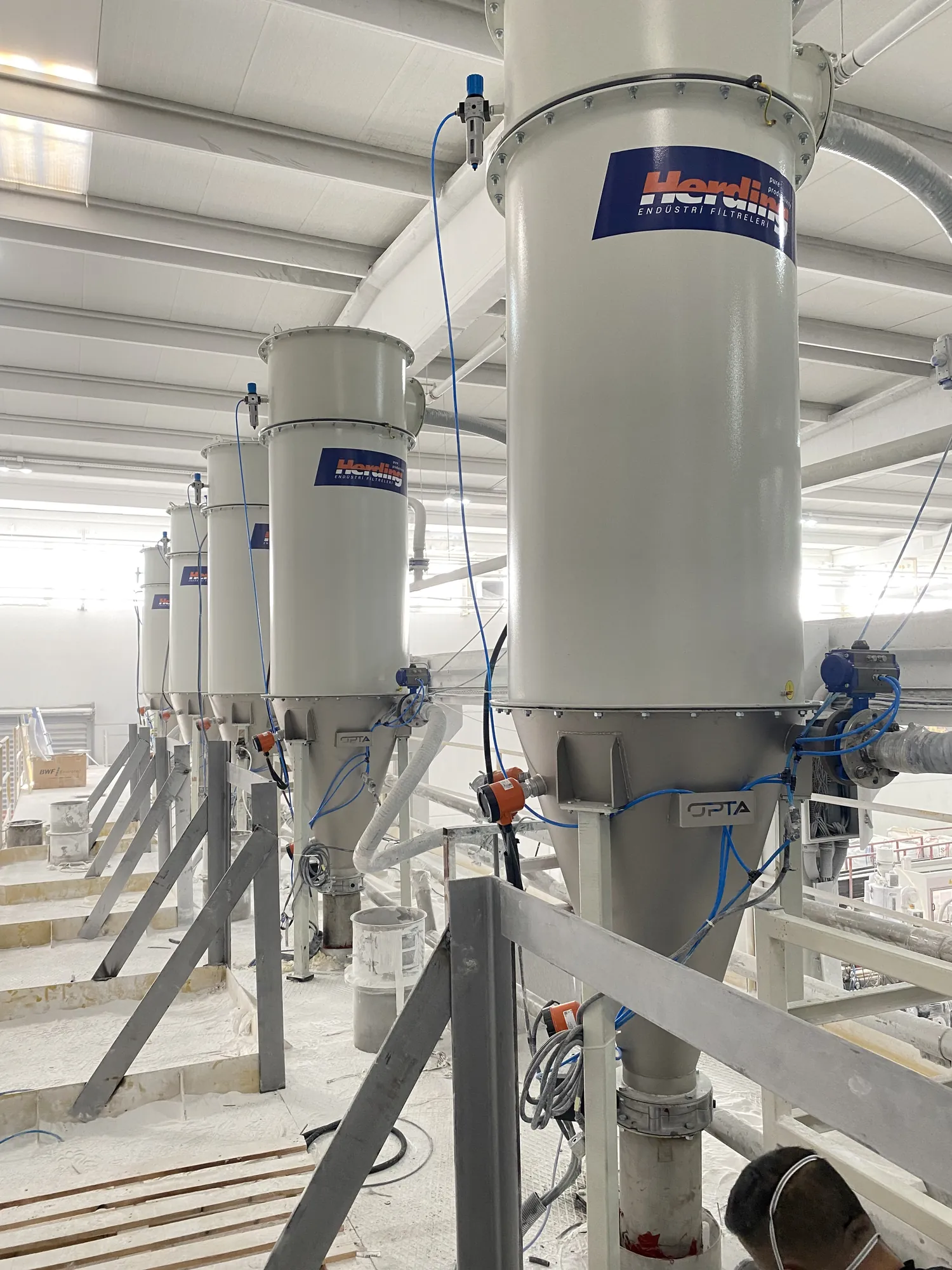 Vacuum feedingDust-free, automatic feeding above the machine with vacuum receivers.→All raw material feeding linesRaw Material Feeding→
Frequently asked questions
Can powders be conveyed on a belt?
For dusty materials the belt is covered and dust extraction is used at transfer points; however, screw or pneumatic conveying is more suitable for most powders.
What is the maximum incline of a belt conveyor?
Depending on the material, 15–20° with a flat belt and up to 45° with a cleated belt.
What is a weigh belt for?
By measuring the load on the belt and its speed, it gives the instantaneous flow rate and total quantity; it is used in continuous dosing.
Let’s work together on belt conveyor feeding
Tell us about your raw material, capacity and site, and we will come back with a preliminary design and quotation.