Get a Quote

SILO FILLING SYSTEMS

Dust-free, safe silo filling from silo trucks, pneumatic conveying and big bags

A silo filling system covers the route from the moment the raw material arrives at the plant until it enters the silo. Transferring powder and granular material arriving by silo truck (tanker), in-plant pneumatic line or big bag into the silo dust-free, without loss and safely requires the right pipe routing, suitable filling pressure, sufficient filter area and reliable level control.

At OPTA Mühendislik we design silo filling lines around your material's properties, the delivery method and your site layout. We install the silo truck fill pipe and coupling, silo top jet-pulse filter, pressure relief valve, level sensors and overfill alarm, as well as dense or dilute phase pneumatic conveying lines, diverter valves and big bag discharge stations, from a single source.

A well-designed filling system prevents silo overpressure, dust escaping from the filter, overfilling and pipeline wear. We deliver ATEX-zoned, automation-monitored silo filling systems for calcite, cement, PVC, PE / PP granules, quartz and food raw materials.

3 methodssilo truck · pneumatic · big bag
Dust-freejet-pulse filter
ATEXzoning
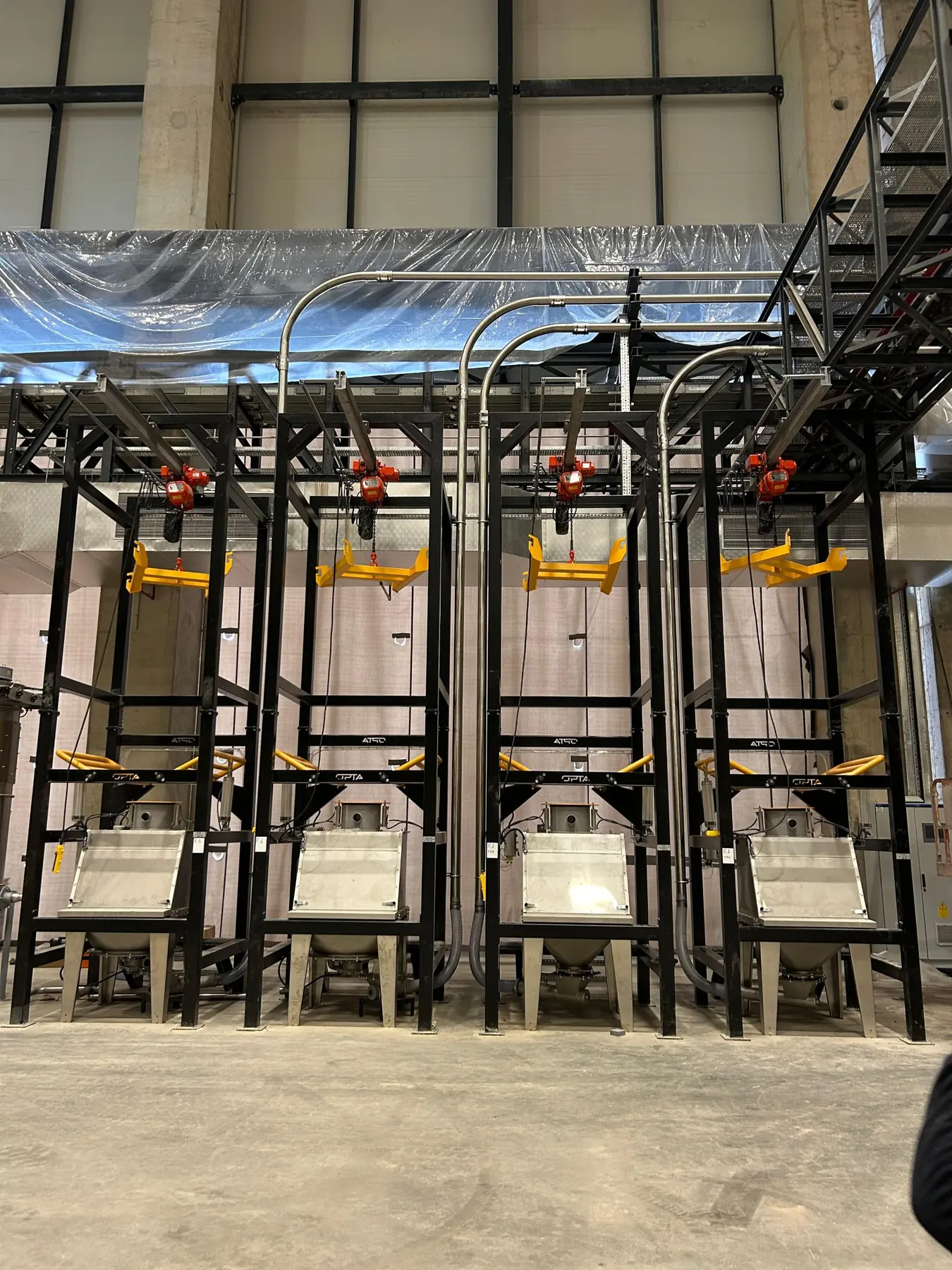
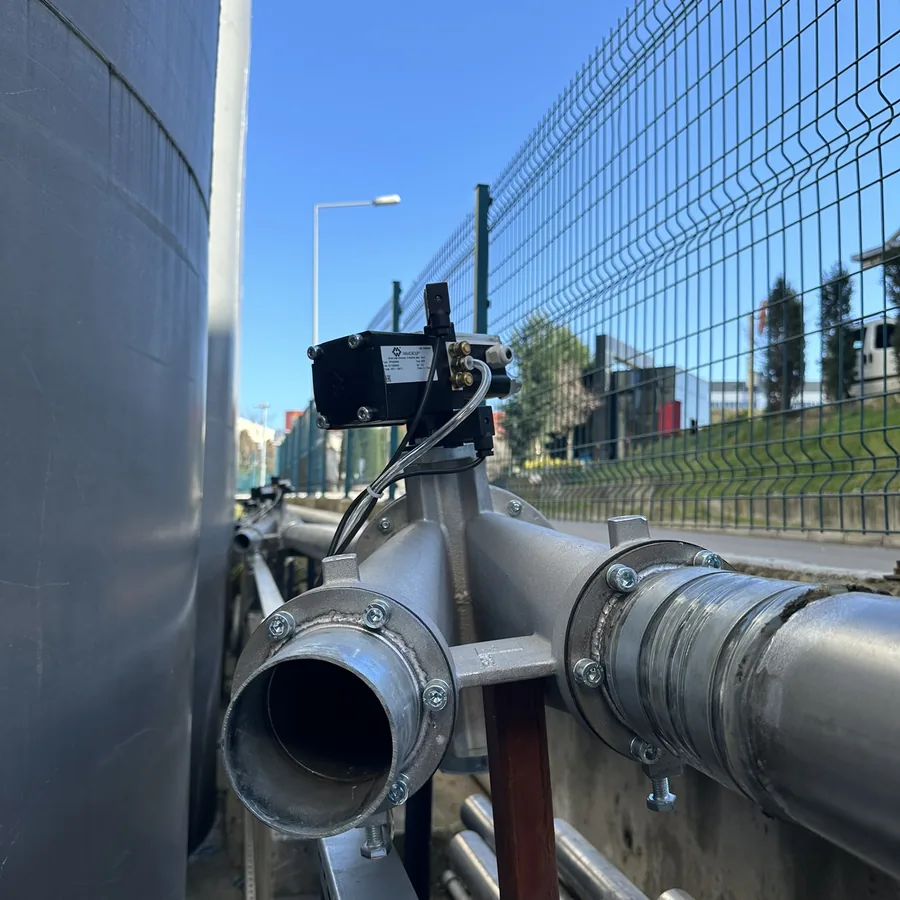
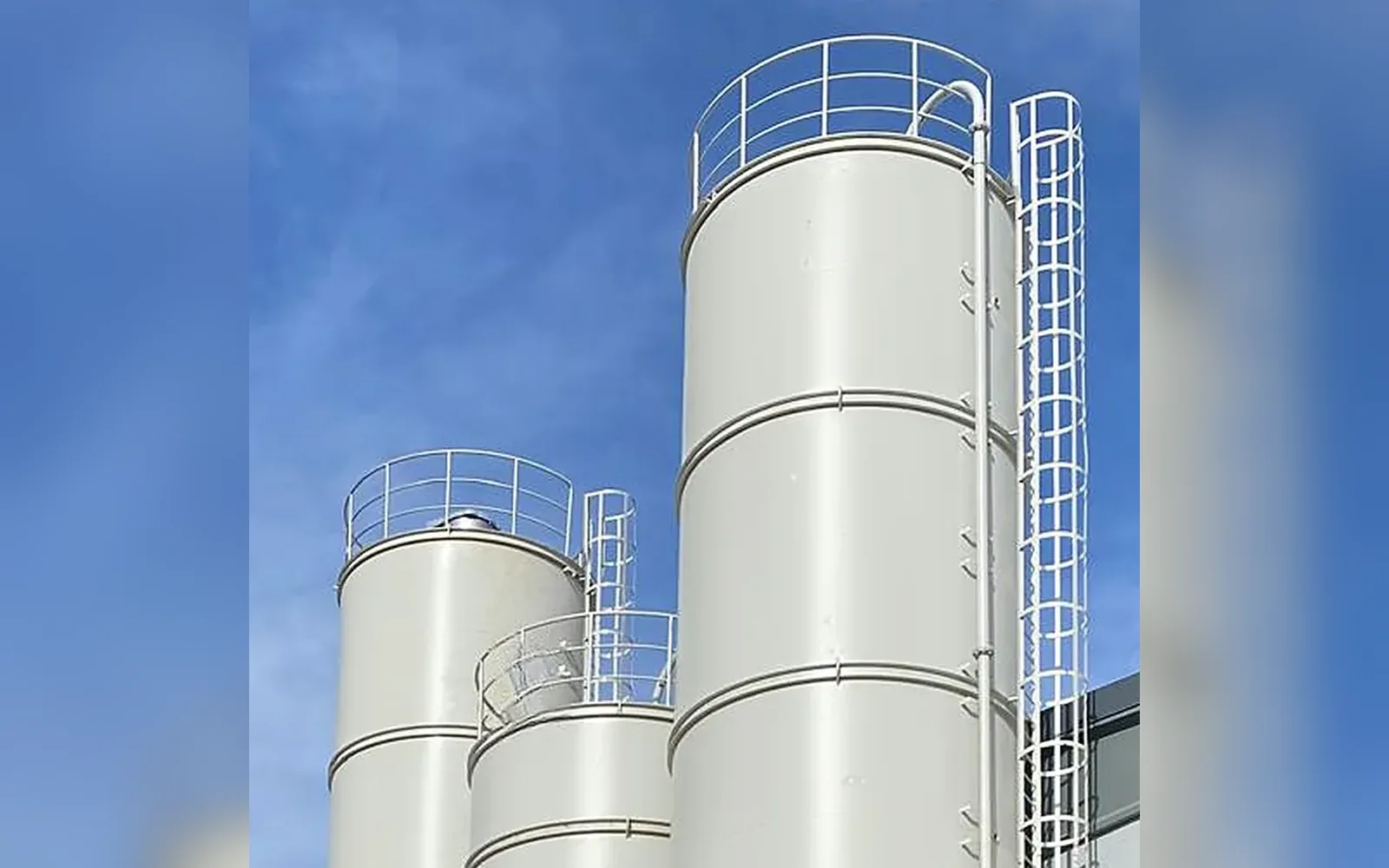
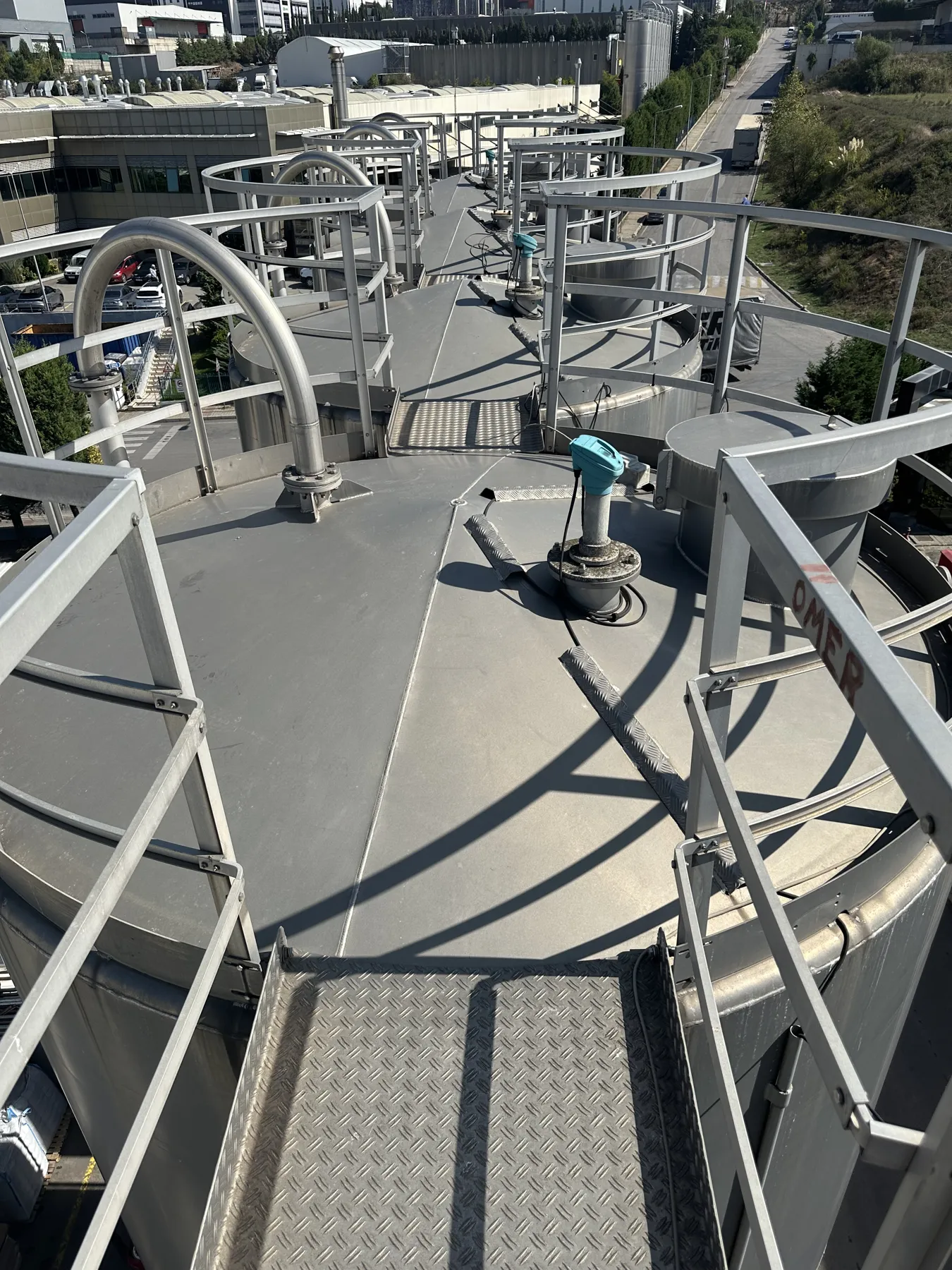
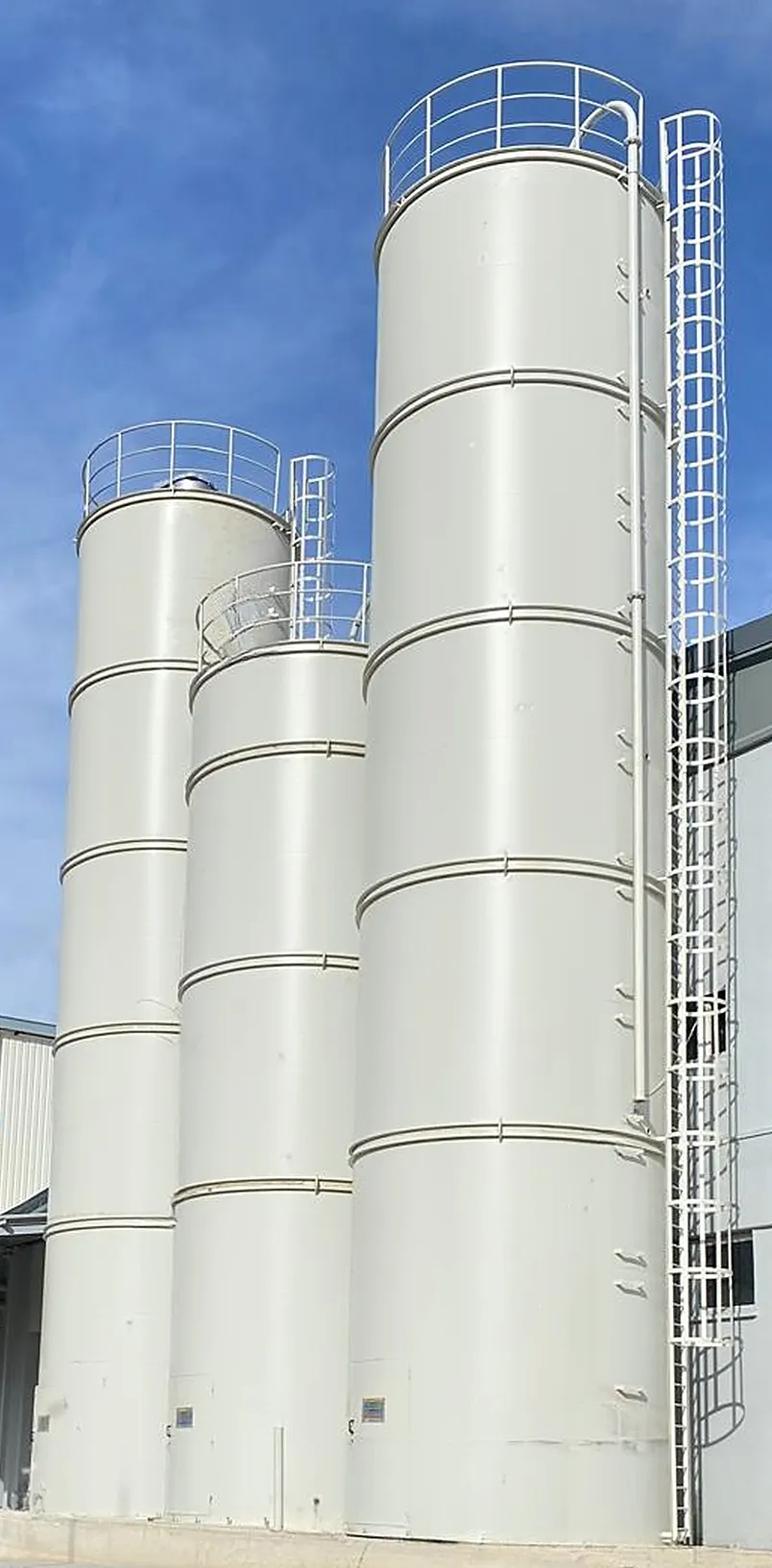
Silo top filling lines and platform

Filling options

Filling from a silo truck
01 / 03

Filling from a silo truck

The raw material arrives at the plant in a silo truck (tanker) with its own compressor. The truck is connected by hose to the ground-level coupling of the fill pipe running up to the silo and blows the material directly into the silo with compressed air.

How does it work?

  1. The silo truck is connected to the coupling at the filling point
  2. Material is carried through the fill pipe to the silo roof
  3. Conveying air is cleaned through the silo top filter and vented
  4. The level sensor warns when full and filling is stopped

When is it preferred?

High-volume, continuously consumed raw materials delivered in bulk: calcite, cement, PVC, PE / PP granules, quartz sand.

Fill pipe and couplingSilo top filterPressure relief valveLevel and overfill alarm
Filling by pneumatic conveying
02 / 03

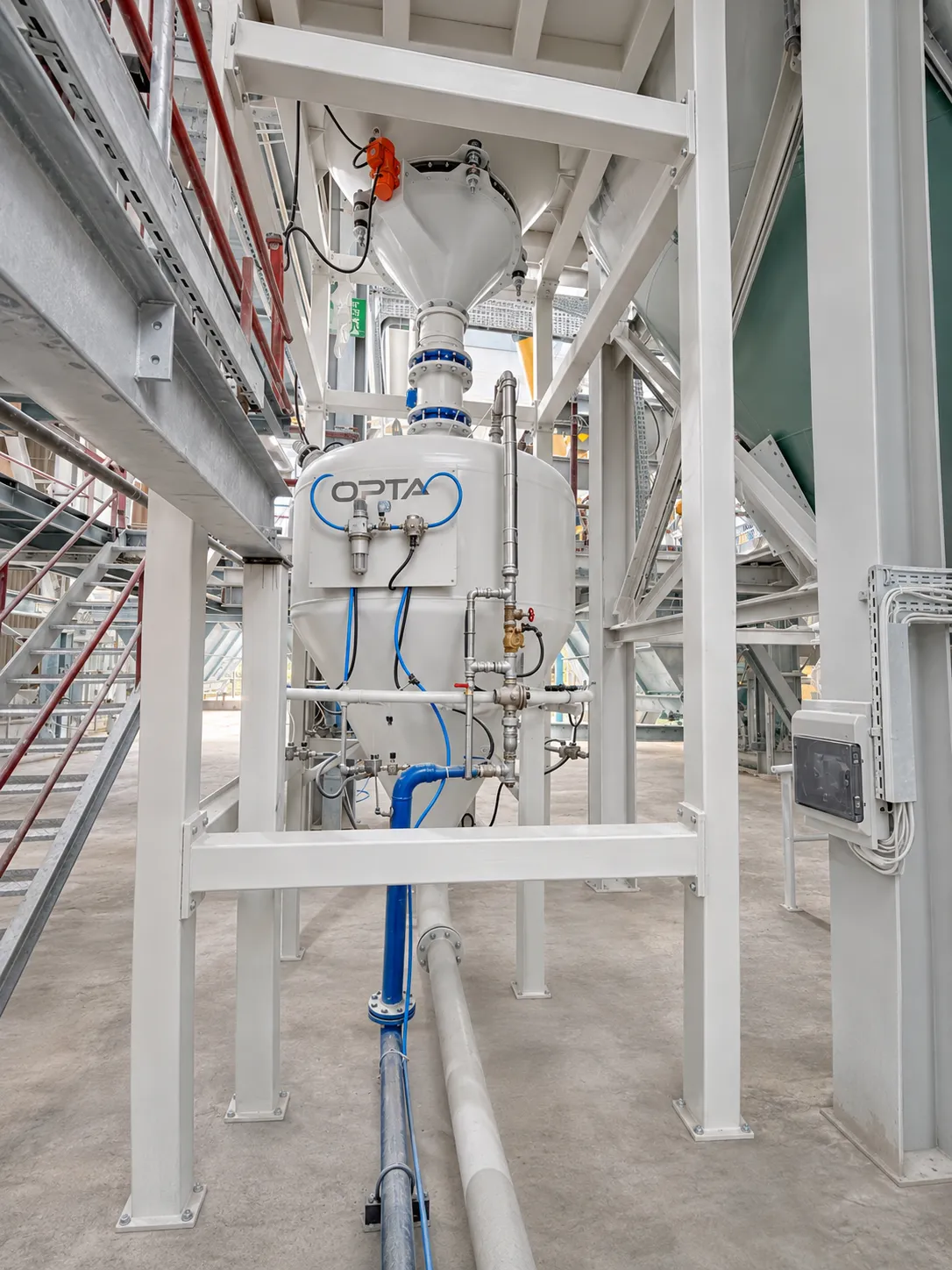
Filling by pneumatic conveying

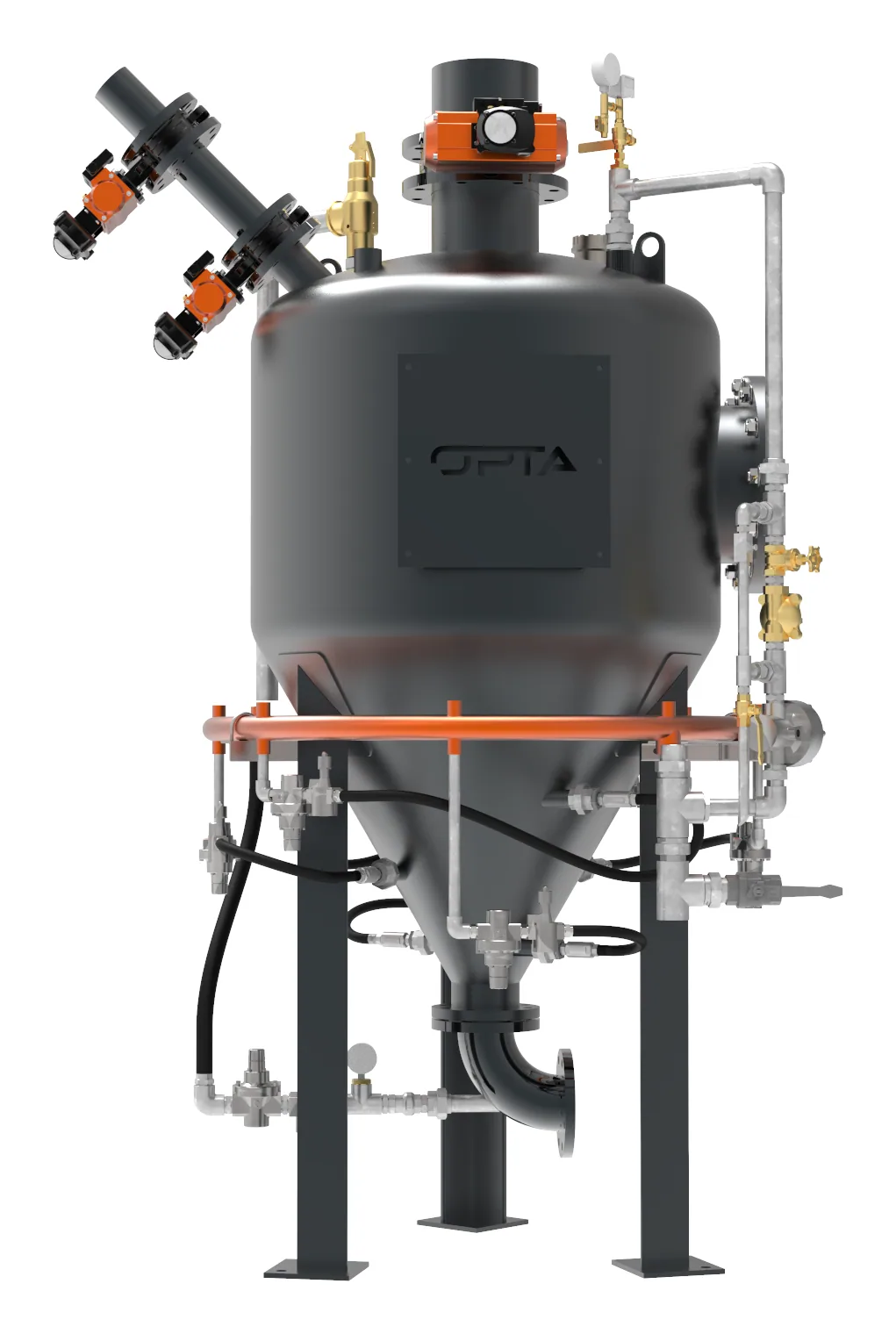
Raw material is fed into a pneumatic line from a point within the plant (buffer hopper, discharge station or another silo) by a pressure vessel or rotary valve and sent to the silo by dense or dilute phase conveying.

How does it work?

  1. Material is fed into the pressure vessel or rotary valve
  2. It is conveyed to the silo through a dense or dilute phase pneumatic line
  3. Several silos are filled using diverter valves
  4. Controlled filling with silo top filter and level sensors

When is it preferred?

Plants that feed the silo from within the plant, distribute to several silos or convey abrasive / fragile materials.

Pressure vessel / OPTAIRRotary valveDiverter valvesSilo top filter
Filling from big bags
03 / 03

Filling from big bags

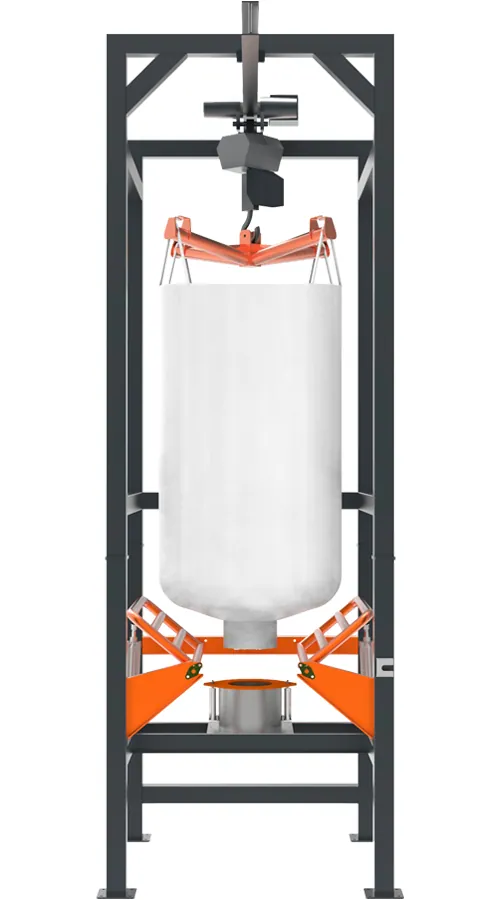
Raw material arriving in big bags is emptied dust-free at a ground-level big bag discharge station and transferred from there to the silo by pneumatic line or screw. The silo acts as buffer stock for the material from the big bags.

How does it work?

  1. The big bag is placed on the station by hoist or forklift
  2. It is emptied with a massage unit and dust-free connection
  3. It is fed into the line by rotary valve and blower
  4. The silo is filled through its roof by pneumatic line

When is it preferred?

Plants where raw material arrives in big bags, there is no silo truck installation, or different raw materials are fed into the same silo.

Big bag discharge stationMassage unitRotary valveSilo top filter

Which filling method suits you?

Filling from a silo truckFilling by pneumatic conveyingFilling from big bags
Material deliveryIn bulk, by silo truckFrom within the plant (hopper, station, silo)In big bags
Suitable consumptionHigh, continuousMedium – highLow – medium
LabourVery little; the driver connectsAutomaticBig bag changes required
Multiple silosA fill pipe or valve for each siloEasy with diverter valvesPossible with diverter valves
Additional equipmentFill pipe, couplingPressure vessel or rotary valve, compressor / blowerBig bag station, conveying line

Equipment used in the filling line

We build each filling system from the equipment that suits your material and site.

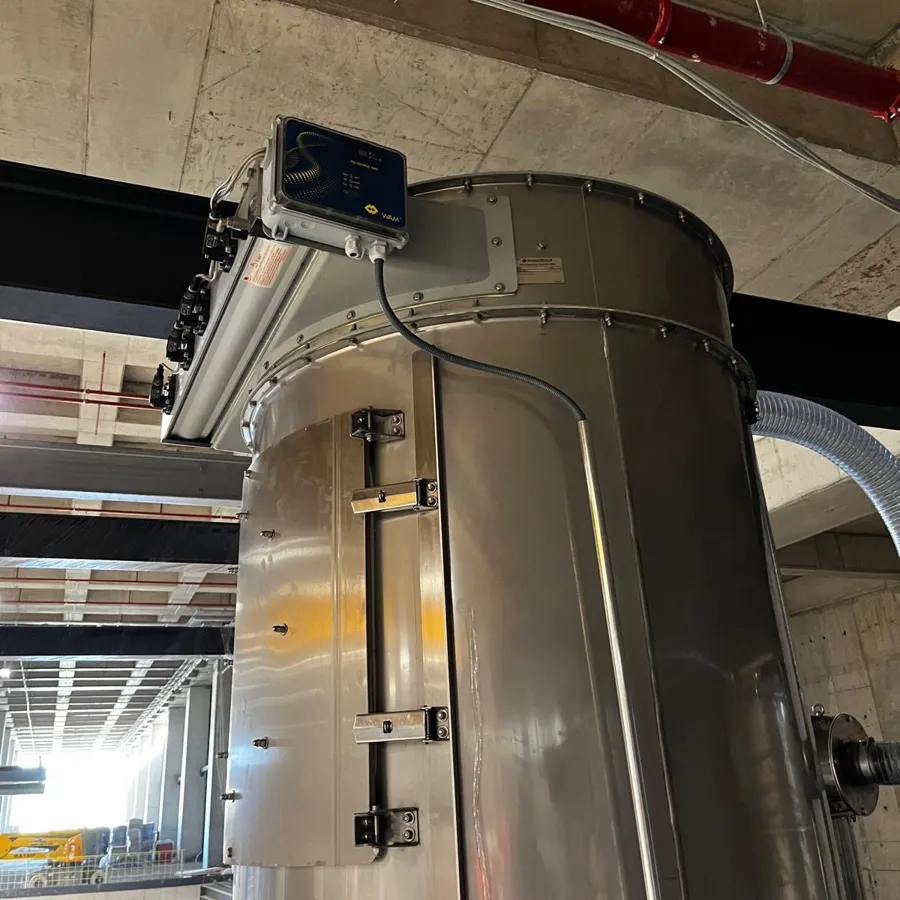
Silo top filter

Silo top filter

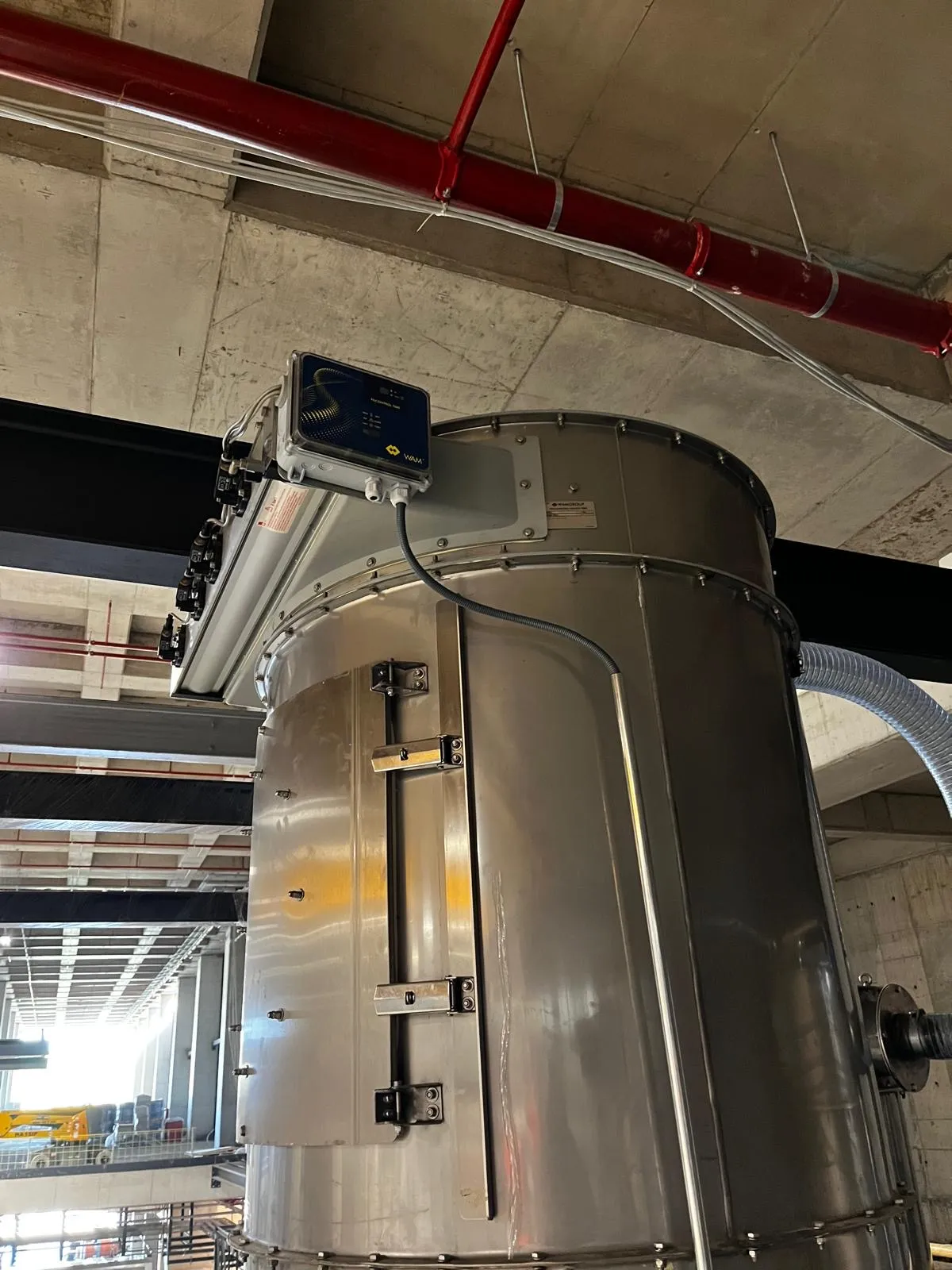
Removes dust from the conveying air; cleaned by jet-pulse.

Level sensors

Level sensors

Radar, rotary paddle and vibrating level measurement; prevents overfilling.

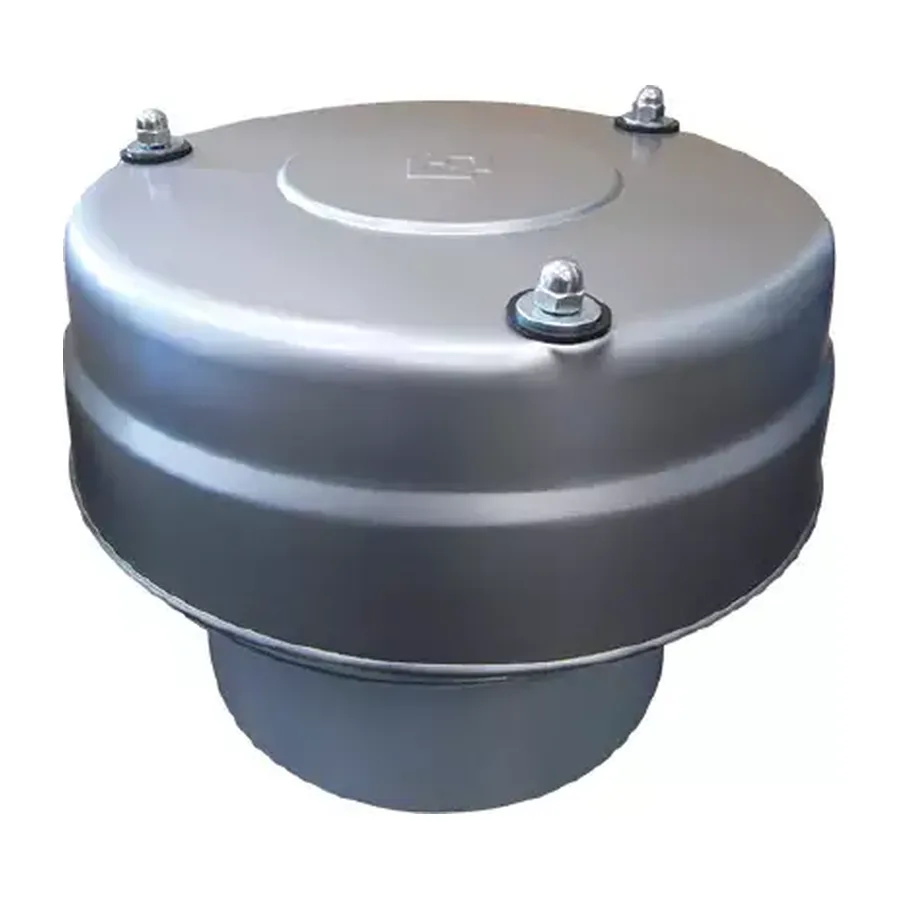
Pressure relief valve

Pressure relief valve

Protects the body from overpressure and vacuum during filling.

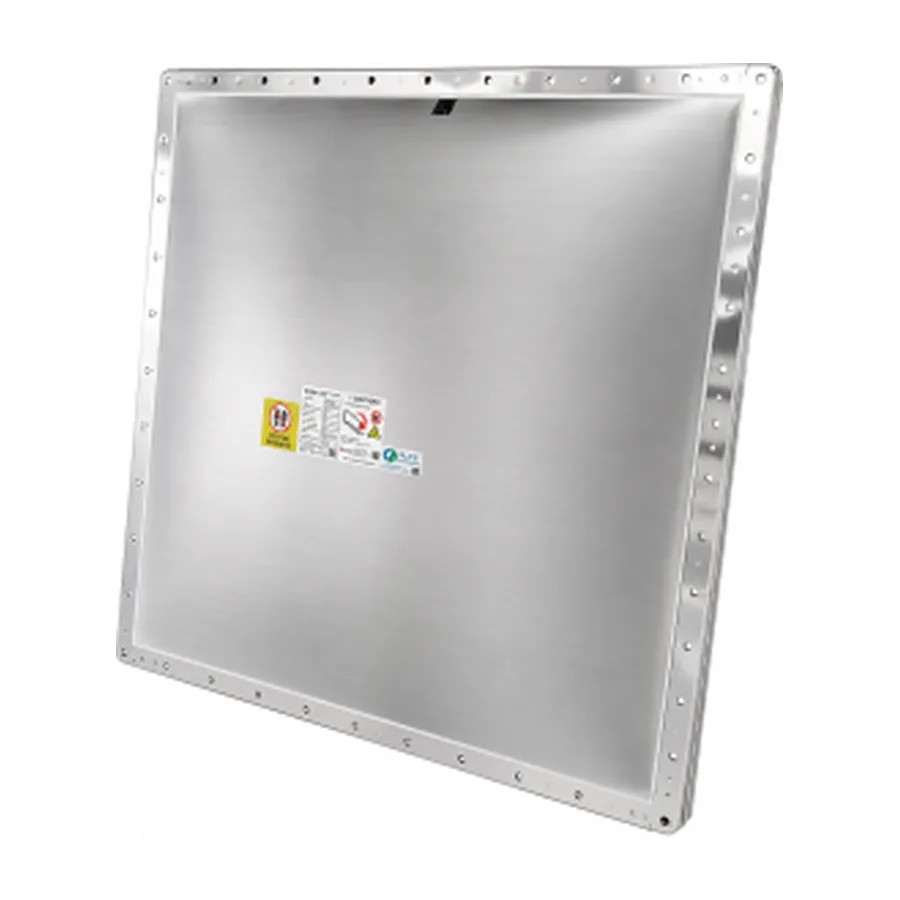
Explosion vents

Explosion vents

Safely relieves explosion pressure in ATEX zones.

Diverter valves

Diverter valves

Filling several silos from one line.

Pressure vessel

Pressure vessel

For dense phase pneumatic filling.

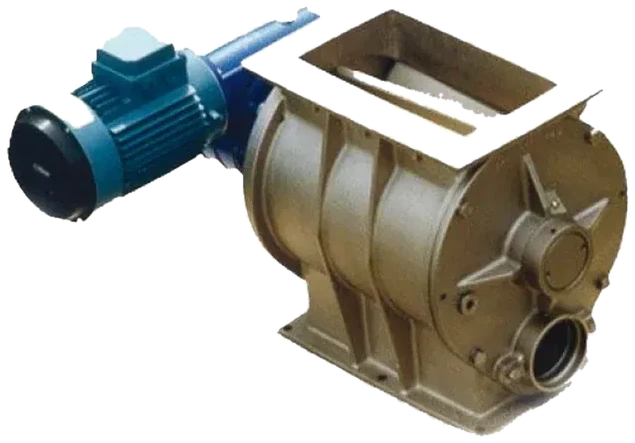
Rotary valve

Rotary valve

Metered feeding into the line without pressure loss.

Big bag discharge station

Big bag discharge station

Empties big bags dust-free and feeds the line.

For safe filling

Standard

  • Silo top jet-pulse filter
  • Pressure relief valve
  • Maximum level and overfill alarm
  • Wear-resistant bends
  • Warning panel at the filling point

Optional

  • Automatic filling valve
  • Silo pressure monitoring
  • Weighed filling with load cells
  • Diverter valves for multiple silos
  • Filling records in SCADA

Standards

  • ATEX 2014/34/EU zoning
  • Explosion vent sizing
  • PED for pressure equipment
  • Filter meeting dust emission limits

More in silo systems

SilosStainless, aluminium and carbon steel; leg-supported or skirted silos.→Silo Discharge SystemsControlled discharge with activators, aeration pads and rotary valves.→Silo EquipmentLevel, pressure safety and explosion protection.→

Frequently asked questions

How do you prevent dust during silo truck filling?

The conveying air leaves through the jet-pulse filter on top of the silo; the filling line is closed and leak-tight. Overfilling and overpressure are prevented by the pressure relief valve and level alarm.

How does the truck driver know the silo is full?

The level sensor on the silo is connected to an audible and visual alarm at the filling point; if required, the filling valve closes automatically.

Can several silos be filled from one filling line?

Yes. Diverter valves route material from a single filling point to the selected silo; the selection can be made from the panel or SCADA.

Can you install a filling system on our existing silo?

Yes. We inspect the existing silo's filter, safety and level equipment, add what is missing and design the filling line to suit your site.

Let’s design your filling line together

Tell us about your raw material, consumption and site, and we will come back with a preliminary design and quotation.