Dose liquid components to the recipe by weight or flow meter
A liquid dosing system delivers the liquid components of a recipe to the reactor, mixing tank or mixer in the right quantity. Each component is pumped from its own tank; the quantity is measured by weight, by mass flow meter or volumetrically.
The first condition for accurate dosing is the right pump. Gram-level components such as catalysts, honey-like liquids such as resins and abrasive pastes containing fillers cannot be delivered by the same pump. The pump is chosen according to the liquid's viscosity, solids content, chemistry, and the required flow rate and accuracy.
At OPTA Mühendislik we combine liquid dosing systems with powder dosing in the same recipe software. We build the tanks, pumps, measurement, valve manifold and piping in one project and record the actual values of every batch.
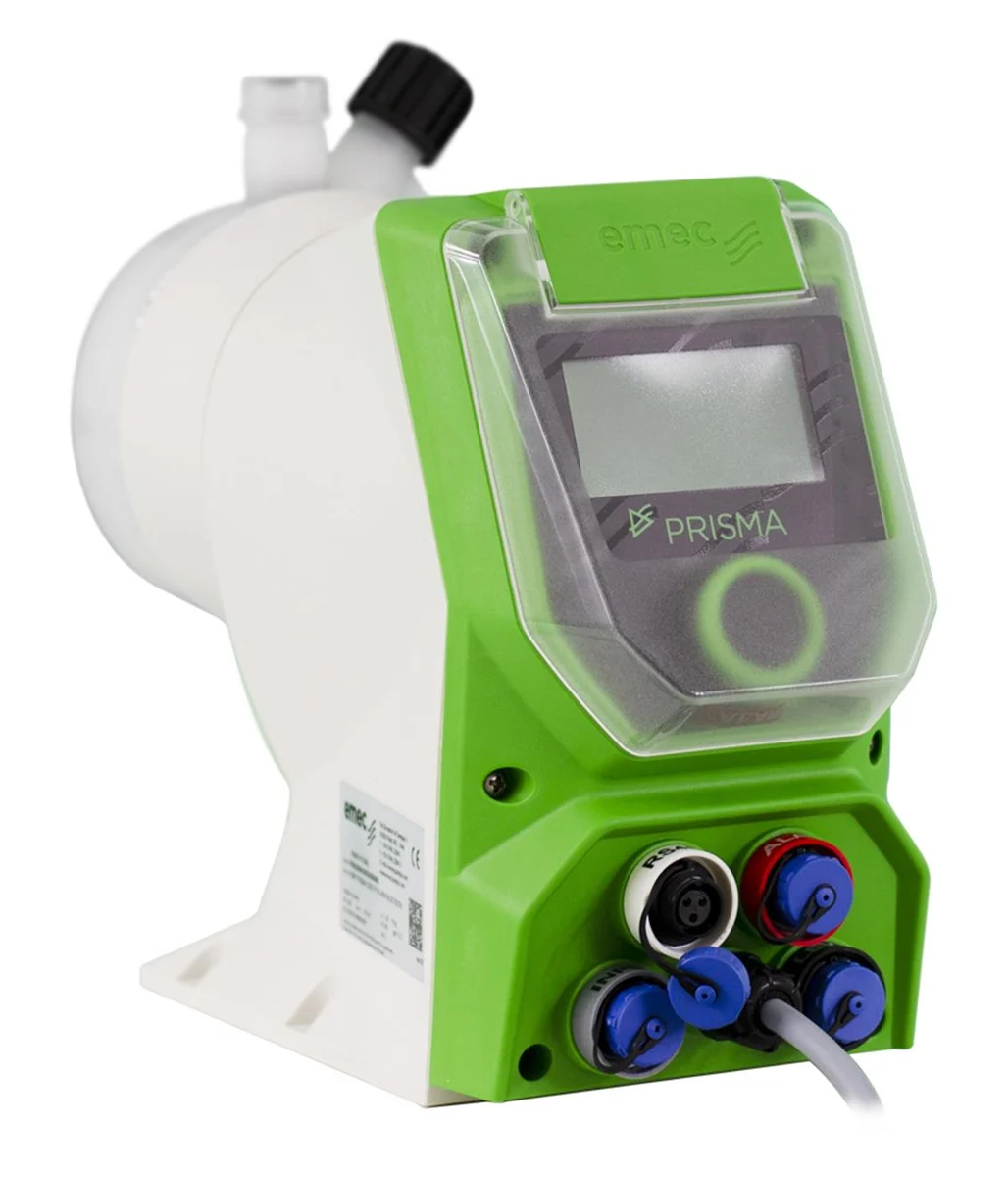
Each stroke of the diaphragm delivers a set volume; by adjusting stroke rate and length, very small flow rates are delivered with high repeatability. The liquid only contacts the pump head and valves; the head material (PP, PVDF, PTFE, stainless) is chosen to suit the chemical.
When is it preferred?
Low-viscosity liquids, small flow rates, catalyst and chemical dosing.
Catalyst / peroxideAcceleratorAcids and causticsWater-based additives
02 / 03
Progressive cavity (mono) pumps
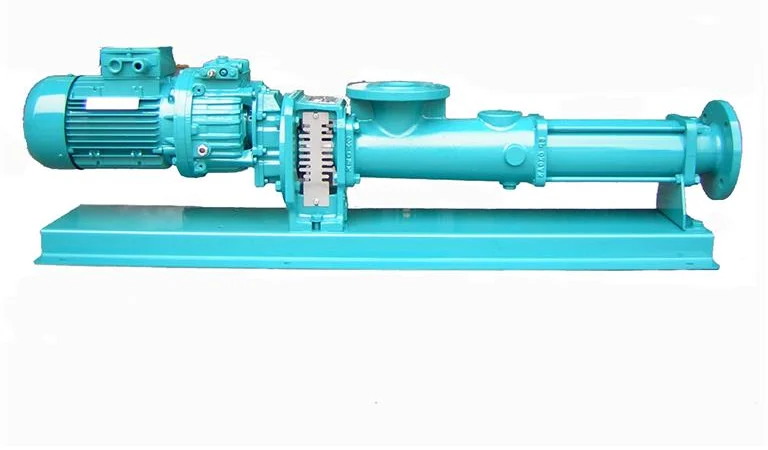
A helical rotor turning inside a stator carries the liquid in closed cavities from suction to discharge. Flow rate is directly proportional to speed and the flow is pulse-free, so precise dosing is possible with a frequency inverter. It works reliably with high-viscosity, solids-laden and shear-sensitive products.
When is it preferred?
Viscous resins, pastes, filled and shear-sensitive products; pulse-free continuous dosing.
Polyester and epoxy resinsPigment pastePutty and adhesiveFilled blends
03 / 03
Hose (peristaltic) pumps
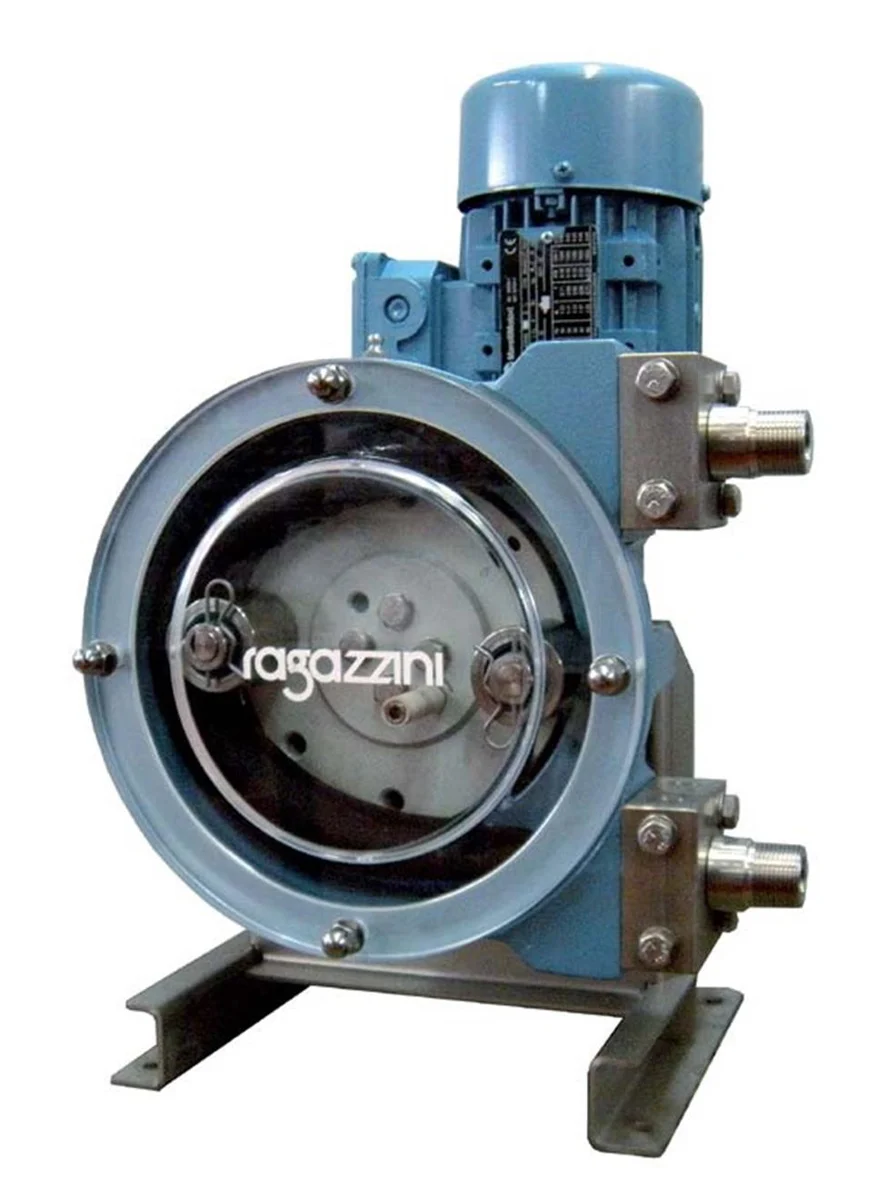
Rotating shoes squeeze a flexible hose to move the liquid forward. The product only contacts the hose; there are no seals or valves. It can run dry, is self-priming and works for long periods with abrasive, solids-laden or aggressive liquids. Maintenance usually consists only of replacing the hose.
When is it preferred?
Abrasive and solids-laden liquids, aggressive chemicals, IBC / drum emptying, lines at risk of running dry.
Filled slurryPigment dispersionSolvents and monomers (ATEX)Milk of lime, sludge
Which liquid is dosed with which pump?
Recommended pump
Why?
Catalyst, peroxide, accelerator
Dosing pump
High repeatability at very small flow rates; chemically resistant head
Acids, caustics, water-based chemicals
Dosing pump
Corrosion resistance with PVDF / PTFE head
Polyester, epoxy resin, oils
Progressive cavity pump
Stable, pulse-free flow at high viscosity
Pigment paste, putty, adhesive
Progressive cavity or hose pump
Moves viscous, solids-laden product without shearing it
Filled, abrasive liquids
Hose pump
The product only touches the hose; the hose is the wearing part
Shear-sensitive emulsions
Progressive cavity or hose pump
Low shear keeps the product structure intact
Emptying IBCs, drums and jerrycans
Hose pump
Self-priming, tolerates running dry
Solvents and monomers (flammable)
Hose or progressive cavity pump, ATEX
Ex motor, earthing and leak-tight construction
What do we look at when selecting a pump?
01
Viscosity and temperature
The product's viscosity at operating temperature; heated tank and line if necessary.
02
Solids content
Fillers, pigments and abrasive particles determine the pump type and materials.
03
Chemical compatibility
Resistance of the pump head, stator, hose and seals to the product.
04
Flow rate and accuracy
The smallest and largest quantities in the recipe, batch time and tolerance.
05
Pulsation
A pulsation damper where necessary on diaphragm and hose pumps.
06
Ex zone
ATEX motors, earthing and suitable instruments for flammable liquids.